













1,301 words
The Software We Live In
Sometimes, I get the terrible sense that we have missed the point of it all.

It’s a truism at this point that people are lonelier than ever, but I think it’s important to sit with that fact for a while and marvel at the sheer absurdity of it. We have built a coordination protocol that weaves together the lives of more than five billion people, and yet spontaneous friendship seems more and more like the distant dream of either some unimagined future or rose-tinted past. Our online communities often resemble highly efficient worker colonies more than tribes or groups or families, orchestrated by the online equivalent of communication pheromones.
On a personal level, I hate their impact on my well-being. Hate my fractured attention and memory. Hate the feeling that my ability to relax and work seems inexorably bound up with them. Hate the way that most of my work and much of my life are spent in pursuit of such poor facsimiles of connection and contentment. I despair that, as we have become masters at solving problems of technology, we have fostered crippling problems of self.
How did we end up here? I think it’s important to study how we got ourselves into this mess, and how the internet turned from a set of communication protocols into a replacement for the living world. For me, that conversation starts with the early engineers of the internet, and how their pursuit of effective, efficient communication has been extended and distorted into a philosophy that governs all of our lives.
A Means of Communication
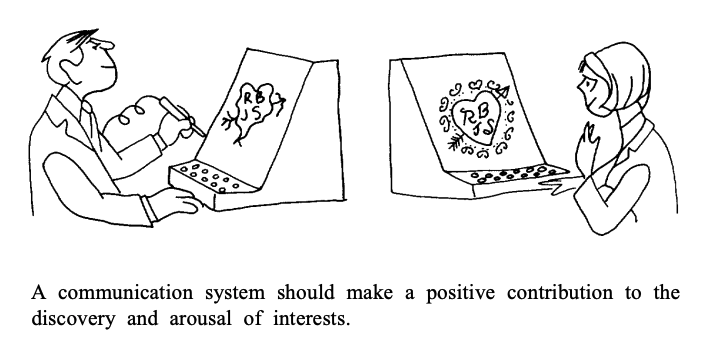
In 1968, Licklider and Taylor — two of the researchers who shaped early ARPANET — published The Computer as a Communication Device. The paper introduced the revolutionary idea that ‘in a few years, [we] will be able to communicate more effectively through a machine than face to face’.
That was a deeply compelling, strange vision. For the first time, we could remove distance, difficulty, and the accidents of geography. Communities could find each other through shared interests, and ‘communication [would become] more effective and productive, and therefore more enjoyable’.
A Way of Life
Over the past sixty years, we have developed an internet that is both expressive enough to support millions of different workflows, and simple enough to be accessible and modular. The early technology companies extended Licklider and Taylor’s emphasis on online communities and seamless coordination into messaging, the feed, the endless scroll.
In short, we have realised the technical possibilities that they described. And yet, I would argue that we’ve mostly failed to realise their hope that life would be ‘happier for the online individual’.
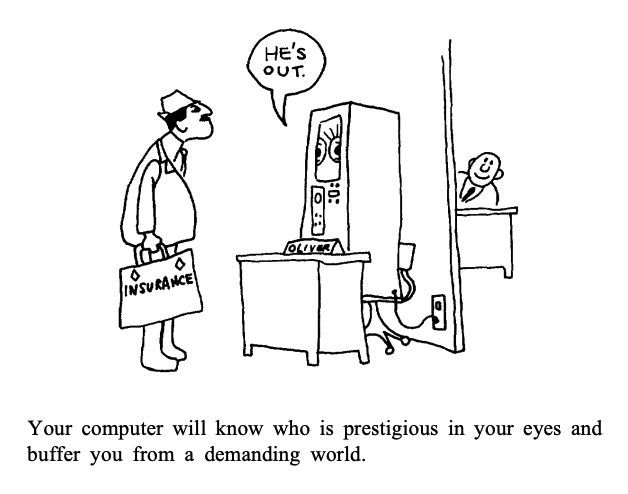
What troubles me is the distance between the effectiveness of these individual interactions and the experience of a life organised around them. Thousands of pieces of software optimise for seamless engagement in each moment, building into a squawking mess of stimulation and distraction. Each day, we work with software that supports us only as much as is required to maximise our output. Billions of others call out to us at such a pitch and volume that it registers only as a stabbing silence.
I think part of the problem is that we have confused making an activity easier to perform with making it more fulfilling to participate in. Humans are not efficient creatures. We do not laugh efficiently, cry efficiently, share a moment efficiently. We rarely grow in a straightforward way. Much of the beauty of a life is built in the million inefficiencies that bloom between the cracks of our daily lives. We exist best when we make up games to waste our time, when we spend hours chatting to another person about meaningless trivialities, when we stop and contemplate the shimmer of our sun on deep water.
As the digital swallows the physical more and more, these moments have become increasingly rare, swept up in the noise of our online lives. We have not simply developed more effective modes of communication, we have been forced into them — in our workplaces, our homes, our vanishing third spaces. We must always be online, always be available, always know what’s happening. Efficient communication is the price demanded of us in exchange for our participation in an online world.
We feel this as depression, as isolation, as hatred. We stare at a system that ruthlessly selects for efficiency with no thought as to which inefficiencies are worth preserving, and it stares back at us, and we hate ourselves. And then we stop staring, because self-hatred is an awful, shrivelled feeling, and we turn to the system and ask it to stop us from feeling this way, because, for all of its flaws, we cannot deny how efficiently it numbs our pain. These technologies that promise us fulfilment demand our participation, leave us depleted, and then offer transient relief from our own minds. I hate it. Hate it even as I use it. Even as it pulls me in.
A Different Way to Build
My point is not that efficient software is bad. It’s that efficiency is not a good north star for the systems that connect us.
But I don’t think we escape their failures simply by disconnecting from one another. Turning off your phone, bricking your laptop — these might work for individuals for short periods of time, but we cannot build our whole response around disengagement. People are our anchors, and like it or not, our people are very often on screens.
Our modern, chronically online world was designed by individuals in the last thirty years. It can be rebuilt in the next thirty. To do so, however, we need both a new design philosophy, and the reach and momentum to give it tangible form in a world of deeply tired humans.
At the core of this movement must be a deep love for humanity — a conviction that the well-being of the user is as important as their efficient engagement with the system. Beauty, play, discovery and self-expression must be at the heart of the social systems that bind us. This conviction needs to shape what we build, how we fund it, and what we consider success.
The moment is in our favour. Deep distaste has grown for our overly efficient lives, inflamed as the internet has become flooded with bots, corporations and political actors. The LLM boom has enabled small companies to challenge monolithic incumbents at a scale previously unimaginable. Thousands of people are actively challenging the idea that this deeply anonymised, polarised, numbed world is the best that we can do.
In my own work on Driftwood, I have started by building a family of interconnected social apps designed to make everyday life more social, playful, and fulfilling.
Each is an attempt to make room for a particular experience: noticing something beautiful, finding someone who understands your work, spending unhurried time with friends. I’m interested in how these experiences can support one another — how something noticed becomes something shared, a conversation becomes a friendship, a friendship becomes part of everyday life. Each app should be worthwhile on its own. Together, I want them to make these moments a larger part of our lives.
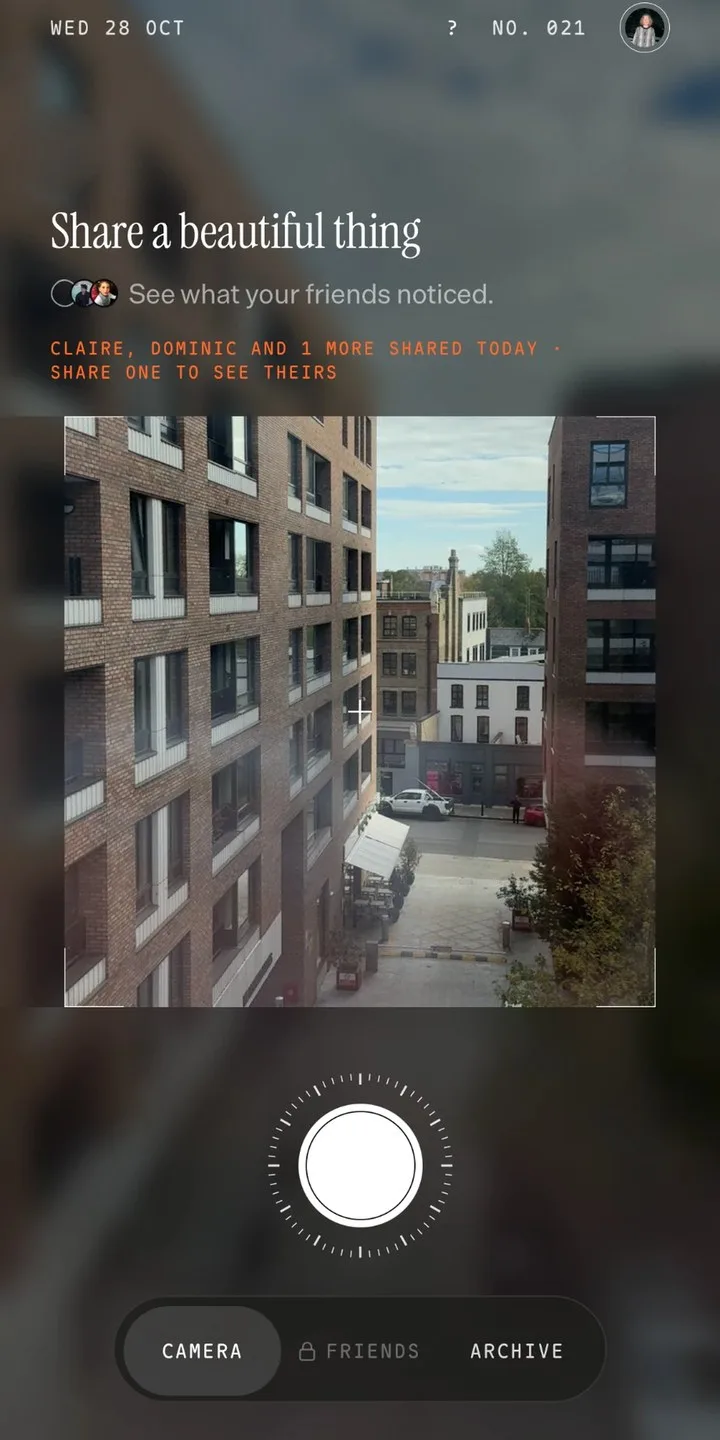
 ViewfinderOne beautiful photo a day
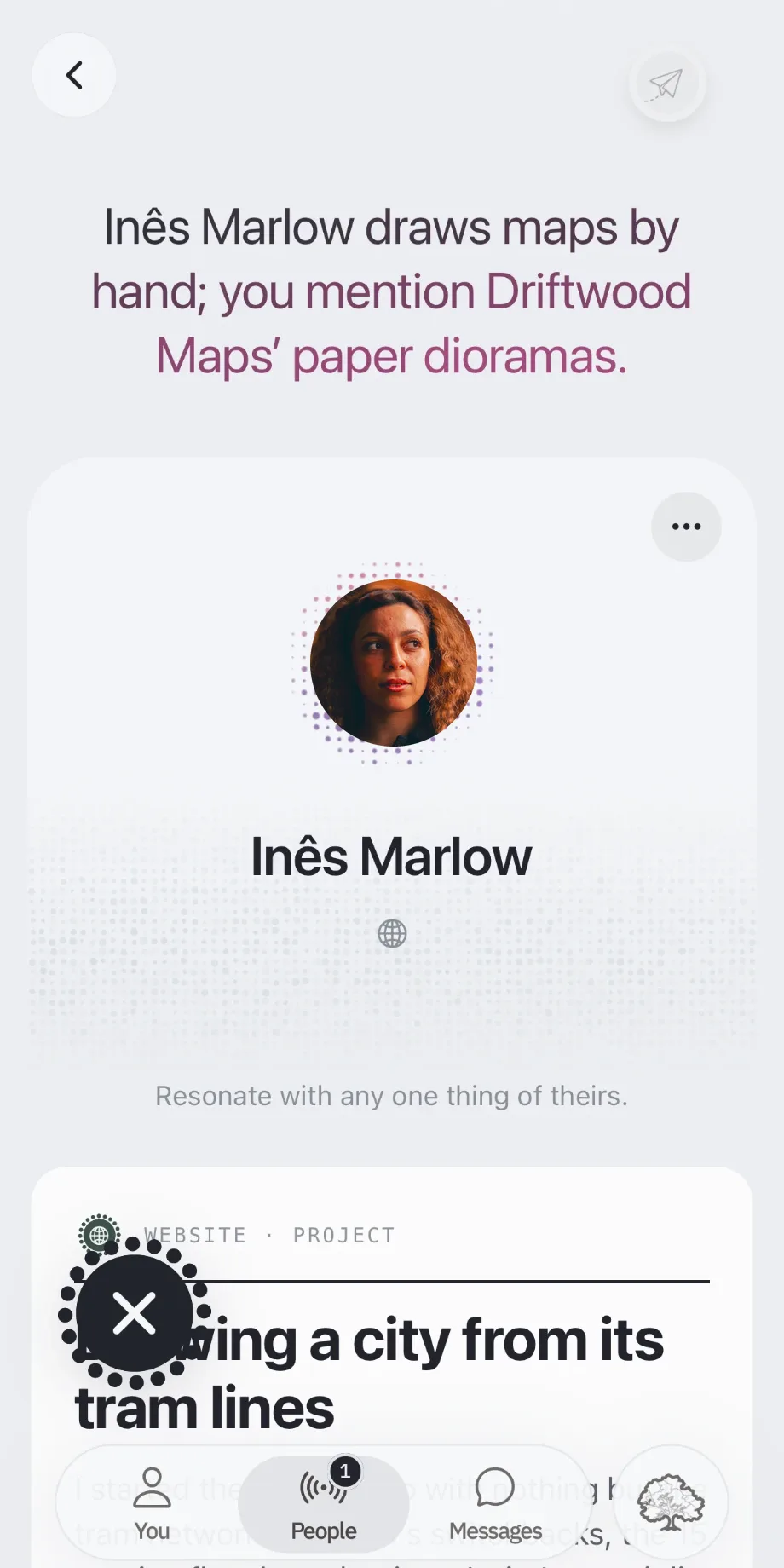
 ResonanceFind your people through your work
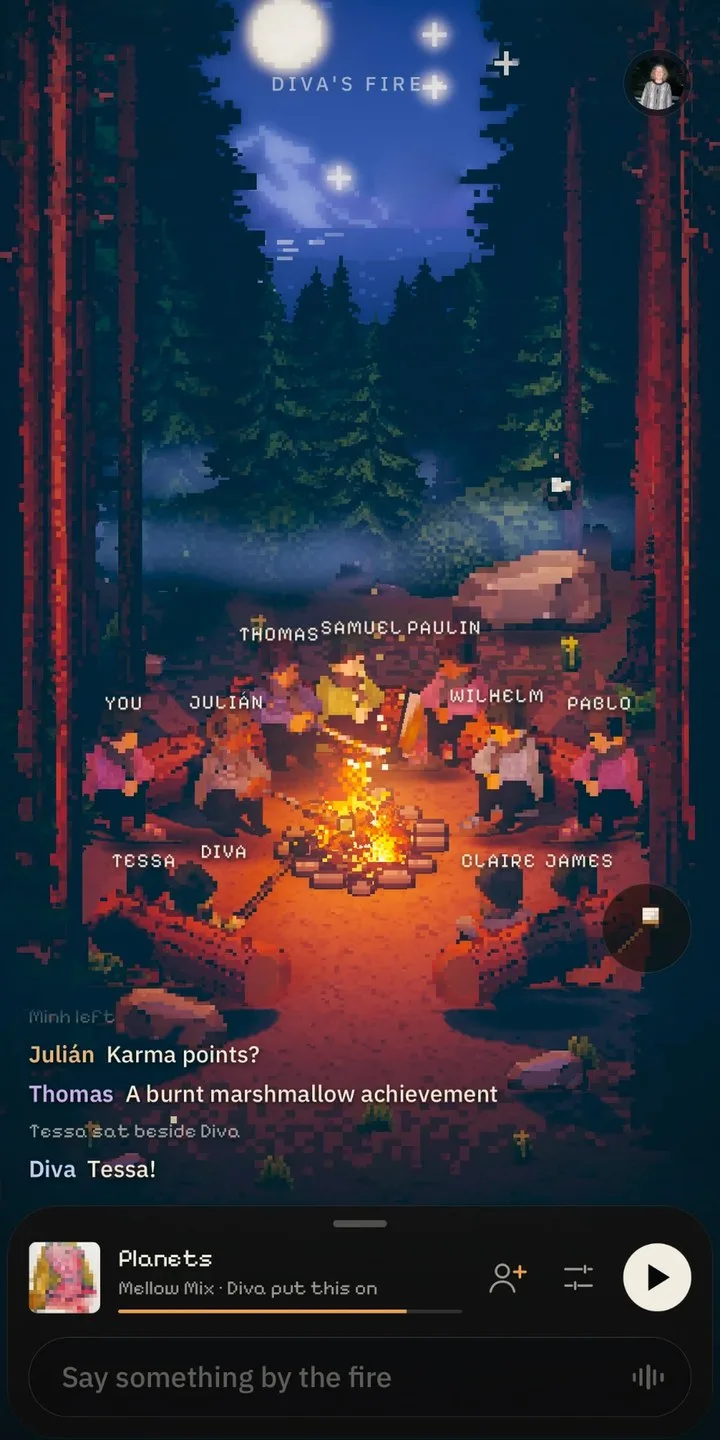
 CampfireListen together by the fire
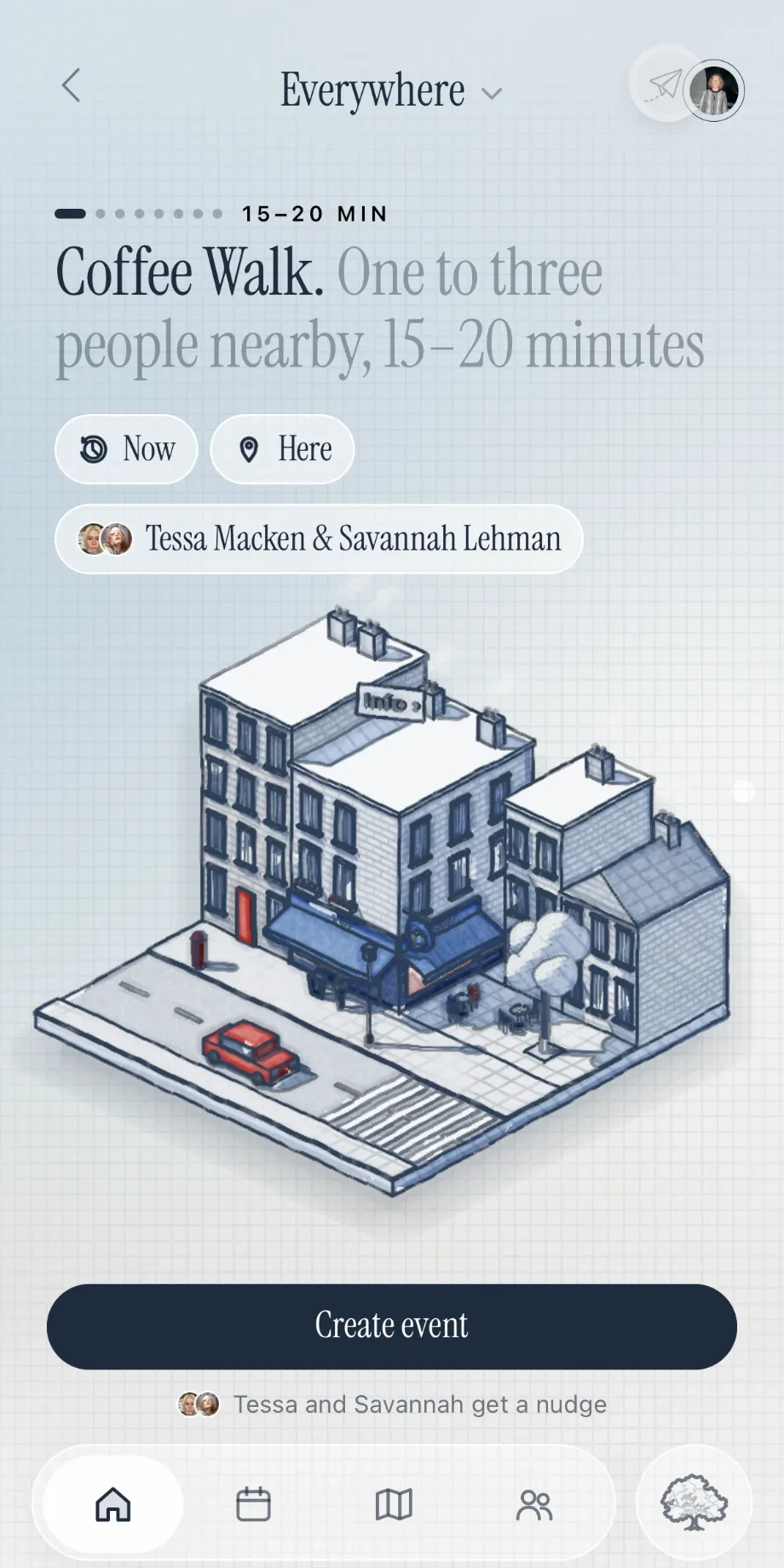
 AlmanacFind events with friends
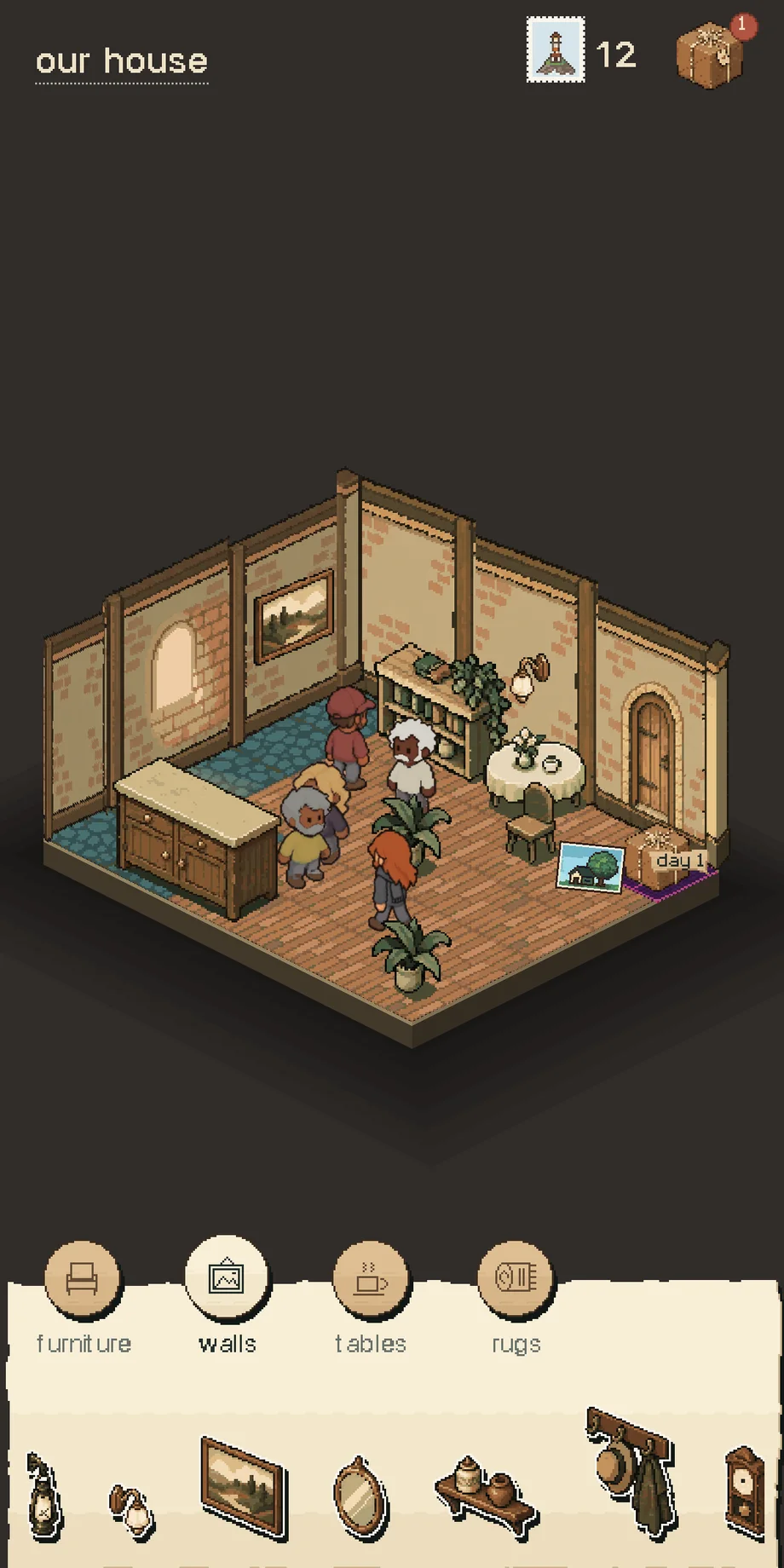
 MetropolisA city for you and your friends
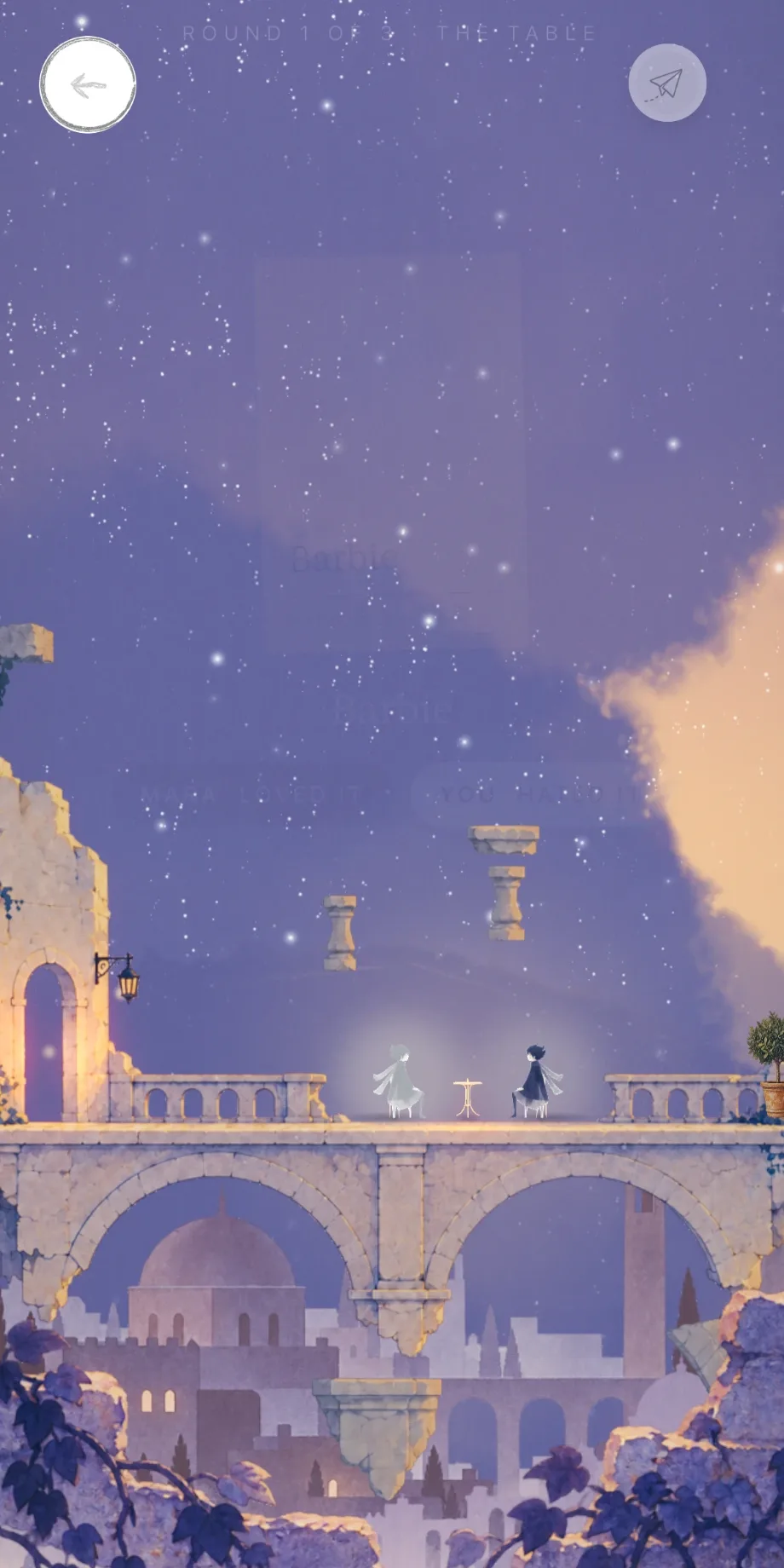
 CandlelightMeet a few new people, one table at a time
As I gather momentum, I want to move out further — into hardware, into the physical world. Software is powerful, but it alone will not be enough to reshape our world into a friendlier, more human place.
I need help.
I need people who can help build and share Driftwood, people who will help it move beyond our first few users, and those who can tell me where it feels alive and where it still feels hollow. I want to hear from others working towards similar things, and from people who can see what I do not.
I want to build a world we don’t spend our lives trying to escape.